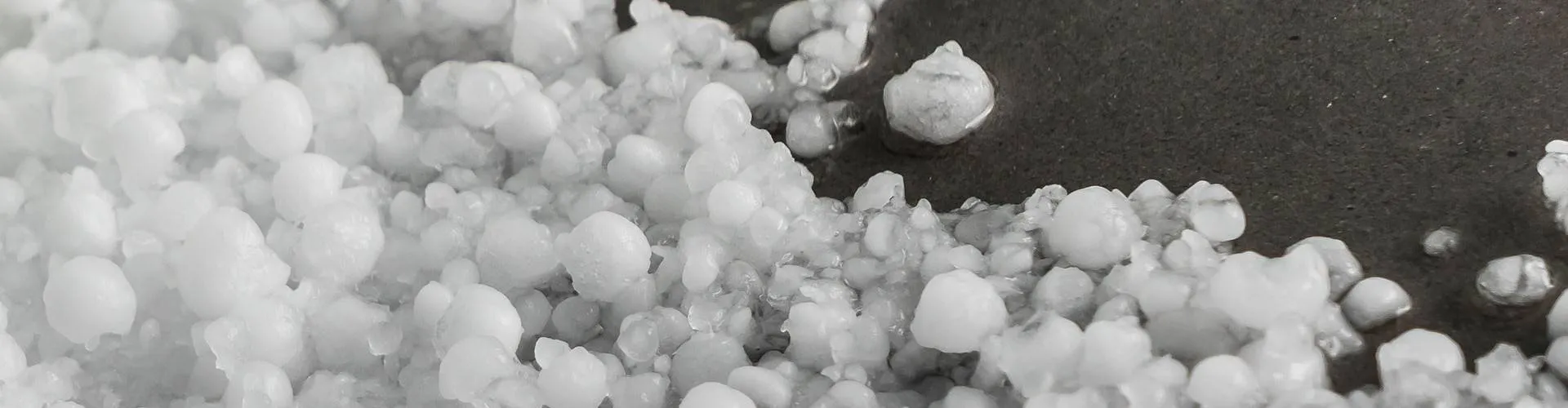

All of Alberta is a thunderstorm and tornado zone. With these storms come high winds, which can cause harm to your roof. However, big storms only account for a portion of our province’s wind damage roofing claims. Any high wind can create problems for your home.
Windy days may cause your roof to become susceptible to damage. By nature, winds gust. It is this gusting and subsiding that causes problems - blowing haphazardly, creating suction, lifting materials, breaking seals and causing micro-tears before subsiding. When the wind gust returns, it now has a lifted, torn shingle to grip onto. Over time, blustery days can cause cumulative wind damage. A chain reaction has now begun, as one ripped piece pulls the next, until the roof’s materials begin to peel.
Thunderstorms produce a phenomenon called straight-line winds, created by the downdraft of the storm. While average wind speed for our province is 12 kph, these straight-line winds easily reach wind speeds of 50 kph (making walking difficult) and can even gust to more than 100 kph (making walking impossible). These higher winds don’t need time to slowly peel your roofing away. They can whisk away your roofing all at once. Therefore, choosing materials that have a high wind rating are a great idea for an Alberta homeowner.
Keeping your roofing in top shape is ideal. Regular inspections, whether done from the ground or up on a ladder, can help you see loose spots and attend to them while still an easy fix. Professional inspections and repairs are recommended if winds reach speeds over 100 kph. This wind velocity is a good number to keep in mind as it often means major or minor roofing damage. Edges and corners are often the first areas to show the effects of the damage, as they are more exposed to wind stress than the central areas, however there are other areas to examine. Here is what to look for, when inspecting your roof for wind damage:
- Loose, lifted, torn, split, curled, wrinkled, dented or missing materials.
- Roof cement that is uneven, crumbling or rippling.
- Roof fasteners or nails that have lifted or released.
- Debris that has caused damage, like tree branches for example. Even twigs can create a wedge, prying up shingles or shakes.
- Loss of granulation on shingles. Granules protect your roof from UV damage. No granules mean your roof will begin deteriorating quickly.
- Flashing that is torn, punctured, buckling or missing.
- Chimneys that are leaning. Also look for damaged bricks and cracks in the joints or cap.
- Soffits, fascia and gutters might be warped, damaged, loose or missing. Ensure that gutters allow the flow of water off your roof. If you see a lot of granules in your gutters, call your roofer.
- Look for signs of damage inside your home, looking for water or light where there should be none.
Generally speaking, your roof is the horizonal landing pad for all sorts of inclement weather. A well-maintained roof keeps moisture out of your roofing system, preventing water damage and leaks. Caring for your roof and attending to its smaller issues can save the time and expense of a bigger fix.